A Practical Guide to Choosing the Right Diamond Shape for Your Engagement Ring
Understanding the Appeal of Elongated Cushion Shapes
Choosing an engagement ring is a personal decision. The style needs to suit the wearer’s taste, feel comfortable during everyday activities, and complement the way they usually dress. Among the many diamond shapes available today, elongated cushion cuts have become an interesting choice for couples who want a soft outline with a slightly longer appearance.
A cushion cut combines rounded corners with a broad outline, giving it a softer profile than shapes with sharp edges. When the proportions are stretched vertically, the stone can create a longer visual line across the finger. This makes the shape particularly useful for someone who likes the character of a cushion cut but prefers a more elongated appearance.
Lab-grown diamonds have also expanded the choices available to couples. They offer the same basic chemical, physical, and optical properties as mined diamonds, while being produced through controlled technological processes. This gives shoppers another option when considering size, cut, quality, and budget.
Before making a purchase, however, it is worth looking beyond the diamond’s shape alone. Proportions, cut quality, setting design, metal choice, and practical comfort all contribute to how the finished piece looks and performs.
How to Compare Different Designs
When comparing engagement rings, start with the center diamond. Its proportions can significantly affect the overall appearance of the finished piece. Two cushion-shaped diamonds can have similar carat weights but look noticeably different because of differences in length, width, depth, and faceting.
An elongated shape generally has a greater length-to-width ratio than a square cushion. Some designs have a subtle elongation, while others have a more pronounced rectangular outline. Neither option is automatically better. The right proportion depends on the wearer’s preferred appearance.
Cut quality deserves particular attention as well. A well-cut diamond can have better light performance, while an attractive outline alone does not guarantee strong visual quality. Examine how the facets interact with light, whether the stone appears balanced, and whether its face-up appearance matches your expectations.
Color and clarity should also be considered together rather than separately. A slightly lower clarity grade may still appear clean to the unaided eye, depending on the diamond. Likewise, the visible effect of color can vary according to the stone and the metal surrounding it.
For couples considering lab-grown diamonds, certification can provide useful information about the stone’s characteristics. A grading report can help shoppers understand measurements, color, clarity, cut information, and other important details before making a decision.
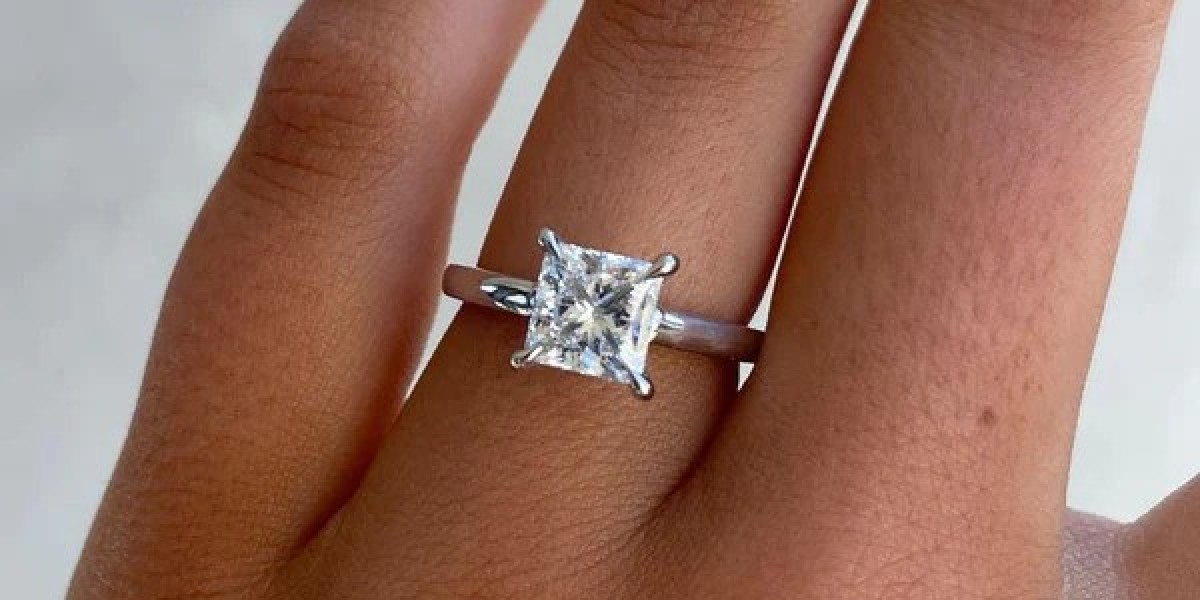
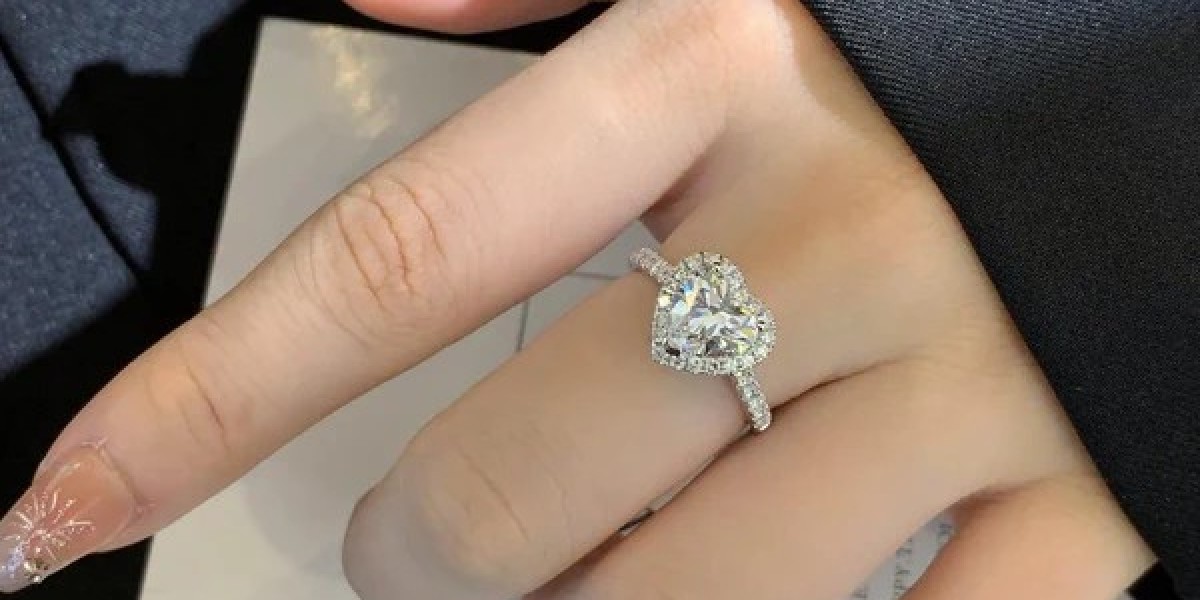
Another factor is the setting. A four-prong or claw-prong arrangement can provide a secure way to hold the center stone while leaving more of its outline visible. A halo can change the perceived size and overall profile, while a simple solitaire setting places greater attention on the center diamond.
The band should not be overlooked either. A slim band can make a larger center stone appear more prominent, whereas a wider or detailed band can create a stronger overall presence. Pave detailing can add small diamonds along the band, while a plain band provides a cleaner appearance.
Matching the Setting With Everyday Wear
An engagement ring should look attractive, but it should also work with the wearer’s daily routine. Someone who works with their hands frequently may prefer a setting with a lower profile and secure prongs. Someone who wants a more decorative design might prefer additional diamond detailing around the center stone.
Prong placement matters because it affects both security and appearance. A properly designed setting should hold the diamond firmly without unnecessarily covering the stone. Rounded or softened corners can also be practical for people who want a shape that feels less angular against clothing or other objects.
The height of the center stone is another consideration. A higher setting can allow more space underneath the diamond and may provide a more noticeable profile from the side. However, a lower setting can be easier to wear for someone who prefers a closer-to-the-finger design.
Metal choice can influence the overall appearance as well. White gold can create a neutral backdrop, while yellow gold offers stronger contrast against many diamond colors. Rose gold provides a warmer visual effect. The best choice is usually the one that fits the wearer’s existing jewelry and personal preferences.
It is also worth thinking about future pairing with a wedding band. Some engagement ring settings sit neatly alongside a straight band, while others require a contoured or curved design. If the couple already has an idea of the wedding band they want, checking how both pieces will sit together can prevent an unexpected gap.
For anyone comparing an elongated cushion engagment ring, proportions should remain one of the first considerations. The elongated outline can look different depending on the setting, band width, diamond size, and finger shape. Looking at the complete design rather than judging the center stone alone can make the comparison much easier.
Budget, Quality, and Long-Term Considerations
Price is naturally an important part of the decision, but it should not be the only measurement of quality. A thoughtful purchase balances the diamond’s characteristics with the construction of the setting and the wearer’s priorities.
Start by establishing a realistic budget. Once that is clear, decide which diamond characteristics matter most. Some buyers prioritize carat size, while others prefer higher color or clarity. Another shopper may place greater importance on cut quality and proportions.
Lab-grown diamonds can give couples additional flexibility when allocating their budget. Instead of focusing exclusively on size, buyers can compare several stones and determine which combination of carat weight, cut, color, and clarity provides the appearance they want.
Certification is useful during this process because it gives shoppers documented information about the diamond. Measurements are particularly relevant when comparing elongated shapes because they help explain why two stones with the same carat weight may have different face-up appearances.
The craftsmanship of the setting should receive equal attention. Check the prongs, band construction, stone placement, and finishing. A beautiful center diamond cannot compensate for a poorly constructed setting. Details such as smooth edges, secure stone placement, and balanced proportions can make a noticeable difference over time.
Maintenance should also be part of the decision. Diamonds are durable, but the surrounding metal and setting still require care. Regular inspection can help identify loose prongs or other issues before they become serious. Keeping the piece clean can also help maintain the appearance of both the center stone and smaller accent diamonds.
When comparing different designs, photographs can be helpful, but they should not be the only reference. Product dimensions, stone measurements, and setting details provide additional context. If possible, seeing the proportions from different angles can help shoppers understand the actual profile more accurately.
For couples researching styles online, browse elongated cushion engagment ring designs to compare different proportions, settings, and band details before narrowing down the final choice.
Why Personal Preference Should Lead the Decision
There is no single engagement ring design that works for every couple. Trends can provide inspiration, but the final decision should reflect the wearer’s taste and lifestyle.
Some people prefer a center stone that immediately draws attention, while others want a balanced design with a detailed band. Some favor a traditional four-prong arrangement, while others prefer a halo or a more distinctive setting.
The elongated cushion shape can work across several design directions because its proportions provide flexibility. It can be paired with a simple band for a clean appearance or combined with additional diamond details for a more decorative design. The choice of metal can further change the character of the finished piece.
It is also important to think about how the engagement ring will look years from now. Rather than choosing a design solely because it is currently popular, consider whether its proportions, setting, and overall style genuinely suit the wearer. A design that feels right personally is more likely to remain satisfying over time.
For couples considering a lab-grown diamond, the process can be approached in much the same way as any other diamond purchase: compare the stone carefully, review its grading information, examine the setting, and think about everyday wear.
Making the Final Choice
Once you have compared the major details, narrow the options down to a few designs rather than trying to evaluate every available style at once. Compare the center stone’s measurements, proportions, color, clarity, and cut information. Then look at how the setting changes the appearance of the diamond.
Next, consider comfort. The ring should sit naturally on the finger without feeling excessively high, heavy, or restrictive. Think about whether the wearer usually prefers delicate jewelry or more substantial pieces.
Finally, review the craftsmanship and overall value. The best choice is not necessarily the largest diamond or the most detailed design. It is the piece that brings together the qualities that matter most to the person who will wear it.
For couples exploring lab-grown diamond options and elongated cushion designs, Antiquecut provides another point of reference when comparing available styles and considering how different proportions work with various settings.
Conclusion
Selecting an engagement ring is easier when the decision is approached as a comparison rather than a search for one universally perfect design. The diamond’s proportions, cut quality, setting, metal, comfort, certification, and long-term practicality all deserve attention.
Elongated cushion shapes offer a distinctive balance between the soft corners associated with cushion cuts and a longer outline that can create a graceful visual line on the finger. When paired with the right setting and proportions, the design can suit both understated and more detailed preferences.
For modern couples considering lab-grown diamonds, taking time to compare these details can lead to a more informed purchase. Rather than relying only on trends or carat weight, focus on the qualities that matter to the wearer and how the complete design fits into everyday life. A carefully considered choice can make the engagement ring feel personal from the moment it is selected and meaningful for years to come.