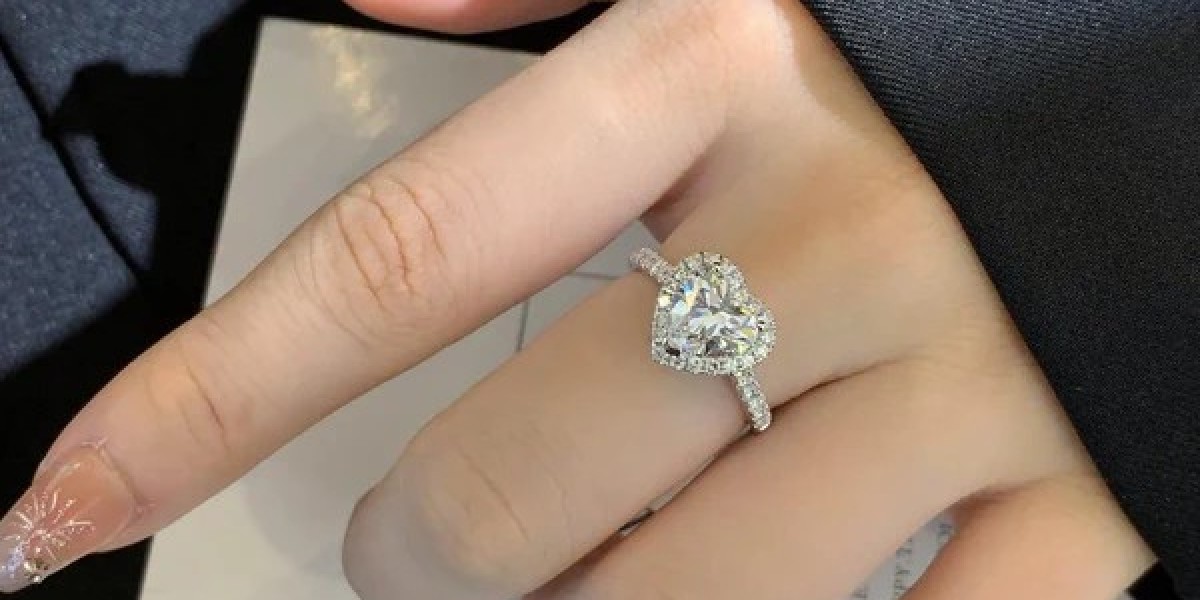

Choosing an engagement ring is one of the most meaningful purchases many people make. Today, more buyers are looking for diamonds that offer beauty, quality, and value without exceeding their budget. That is why lab grown diamond engagement rings have become a preferred choice for modern couples.
Lab grown diamonds have the same physical, chemical, and optical properties as mined diamonds. The difference lies only in how they are created. With advanced technology, these diamonds are produced under controlled conditions, offering buyers another excellent option when selecting an engagement ring.
This guide explains everything you should consider before purchasing a lab grown diamond engagement ring, from diamond quality and shape to ring settings and precious metals.
Why More Couples Are Choosing Lab Grown Diamonds
Many buyers appreciate lab grown diamonds because they offer excellent quality while allowing them to purchase a larger or higher-grade diamond within the same budget.
Unlike diamond simulants, lab grown diamonds are real diamonds. They display the same hardness, brilliance, and durability expected from natural diamonds, making them suitable for everyday wear.
Whether you prefer a classic solitaire or a detailed vintage-inspired design, there are many styles available to suit different preferences.
Understand the 4Cs Before Buying
The quality of every diamond is determined by four important characteristics.
Cut
The cut affects how well the diamond reflects light. A well-cut diamond appears brighter and more attractive than one with poor proportions.
Excellent or Ideal cut grades are usually recommended for round diamonds, while fancy shapes should have balanced proportions and symmetry.
Color
Lab grown diamonds are available in various color grades.
- D–F: Colorless
- G–H: Nearly colorless
- I–J: Slight warmth
Many buyers choose G or H because they provide an attractive appearance while helping manage the overall budget.
Clarity
Clarity measures internal and external characteristics within the diamond.
Popular clarity grades include:
- FL
- IF
- VVS1
- VVS2
- VS1
- VS2
- SI1
VS1 and VS2 often provide an excellent balance between appearance and price.
Carat Weight
Carat refers to diamond weight rather than visible size.
A well-cut 1-carat diamond can appear larger than a poorly cut stone of the same weight, making cut quality just as important as carat size.
Choose the Right Diamond Shape
The diamond shape plays a major role in the ring's overall appearance.
Popular options include:
- Round
- Oval
- Cushion
- Emerald
- Pear
- Marquise
- Princess
- Radiant
Round diamonds remain one of the most popular choices because of their balanced proportions and consistent brilliance.
Oval and pear shapes can create the appearance of longer fingers, while emerald cuts offer clean lines and a sophisticated look.
Pick a Ring Setting That Matches Your Style
The setting protects the diamond while influencing the ring's overall design.
Solitaire
A solitaire setting highlights the center diamond without additional stones.
Hidden Halo
A hidden halo places smaller diamonds beneath the center stone, adding extra light reflection from different angles.
Halo
A halo surrounds the center diamond with smaller diamonds, making it appear larger.
Three-Stone Setting
Three-stone rings symbolize the past, present, and future while adding extra visual impact.
Bezel Setting
A bezel surrounds the diamond with metal, offering additional protection for active lifestyles.
Select the Best Metal
The metal affects both appearance and durability.
White Gold
A popular choice that complements colorless diamonds.
Yellow Gold
Provides a classic appearance and pairs well with many diamond shapes.
Rose Gold
Offers warm tones that create a distinctive look.
Platinum
Known for strength and durability, platinum is often chosen for engagement rings worn every day.
Always Look for Certification
A quality lab grown diamond should come with certification from an independent grading laboratory.
Common certifications include:
- IGI
- GIA
These reports verify important details such as:
- Carat weight
- Color
- Clarity
- Cut
- Measurements
Certification provides confidence in the quality of the diamond you are purchasing.
Compare Different Ring Styles
Every buyer has different preferences.
Popular ring styles include:
- Minimal designs
- Vintage-inspired settings
- Cathedral settings
- Hidden halo rings
- Split shank rings
- Pavé bands
Trying different styles helps determine which design best matches personal taste and daily lifestyle.
Consider Daily Wear
Since engagement rings are worn regularly, comfort should never be overlooked.
Look for:
- Smooth edges
- Comfortable band width
- Secure prongs
- Durable construction
These features help ensure the ring remains comfortable throughout daily activities.
Set a Comfortable Budget
One advantage of choosing lab grown diamond engagement rings is the opportunity to maximize value.
Many buyers can purchase:
- Larger carat weights
- Better clarity
- Higher color grades
without significantly increasing their budget.
Instead of focusing only on size, consider balancing all four quality factors.
Buy From a Trusted Jeweler
Selecting a reputable jeweler is just as important as selecting the diamond itself.
Look for sellers that provide:
- Certified diamonds
- Clear product information
- Return policies
- Customer support
- Detailed product photography
If you want to read more about lab grown diamonds for engagement rings, compare certified collections from established jewelry retailers before making your final decision.
Brands such as Antiquecut also offer carefully crafted collections featuring certified lab grown diamonds in a wide range of settings and diamond shapes.
Common Mistakes to Avoid
Many buyers rush their purchase without researching all available options.
Avoid these common mistakes:
- Ignoring diamond certification
- Choosing size over cut quality
- Not comparing multiple settings
- Forgetting daily comfort
- Buying without reviewing return policies
- Focusing only on price
A little research can help you choose a ring you'll appreciate for years.
Why Lab Grown Diamonds Continue to Grow in Popularity
Consumer preferences continue to evolve as buyers become more informed.
Today's shoppers often want:
- Better value
- Larger diamonds
- Certified quality
- Wide design selection
- Flexible customization
Lab grown diamonds meet these expectations while offering the same durability and beauty associated with natural diamonds.
As technology continues to improve, buyers have more choices than ever before when selecting engagement rings.
Final Thoughts
Finding the right engagement ring involves more than selecting a beautiful diamond. Understanding the 4Cs, choosing an appropriate setting, selecting the right metal, and purchasing from a trusted jeweler all contribute to making a confident decision.
Whether you prefer a classic solitaire or a detailed vintage-inspired design, taking time to compare certified options will help you find a ring that reflects your style and budget. With careful research and thoughtful planning, choosing the right lab grown diamond engagement rings becomes a rewarding experience.
Frequently Asked Questions
Are lab grown diamonds real diamonds?
Yes. They have the same chemical, physical, and optical properties as mined diamonds.
Do lab grown diamonds last as long as natural diamonds?
Yes. They have the same hardness and durability, making them suitable for everyday wear.
Are lab diamond engagement rings certified?
Most reputable jewelers offer IGI or GIA certification with their lab grown diamonds.
Which diamond shape is the most popular?
Round diamonds remain the most popular choice, followed by oval, cushion, emerald, and pear shapes.
Are lab grown diamonds a good value?
Many buyers choose them because they can often purchase a larger or higher-quality diamond within the same budget compared to mined diamonds.