
Introduction
Massage therapy is a popular way to relax, refresh the body, and take a break from everyday stress. Among the many massage styles available, Swedish massage and deep tissue massage are two of the most widely recognized. Although both use hands-on techniques, they are designed with different approaches and levels of pressure.
Understanding the difference between deep tissue and Swedish massage can help you decide which style may better suit your personal preferences. One generally focuses on gentle, flowing movements and relaxation, while the other uses more targeted pressure on deeper muscle areas.
What Is Swedish Massage?
Swedish massage is a traditional massage style that typically uses smooth, flowing movements across the body. Therapists may combine techniques such as kneading, gliding strokes, gentle pressure, and rhythmic movements.
The overall experience is usually designed to be calming and comfortable. Because the pressure can often be adjusted, Swedish massage may be suitable for people who prefer a lighter or moderate massage experience.
A session can create a relaxing environment where the person can unwind while the therapist works through different areas of the body. The pace and pressure may also be adapted according to individual comfort.
What Is Deep Tissue Massage?
Deep tissue massage uses slower and more focused techniques to work on areas where muscles may feel particularly tight or tense. Rather than concentrating mainly on broad, flowing movements, the therapist may spend more time on specific muscle groups.
The pressure can be firmer than in a typical Swedish massage. However, deep tissue massage should still be performed with appropriate communication between the client and therapist. Comfort matters, and pressure should be adjusted when necessary.
This type of massage is often selected by people who prefer a more targeted approach rather than a primarily relaxing massage experience.
Difference Between Deep Tissue and Swedish Massage
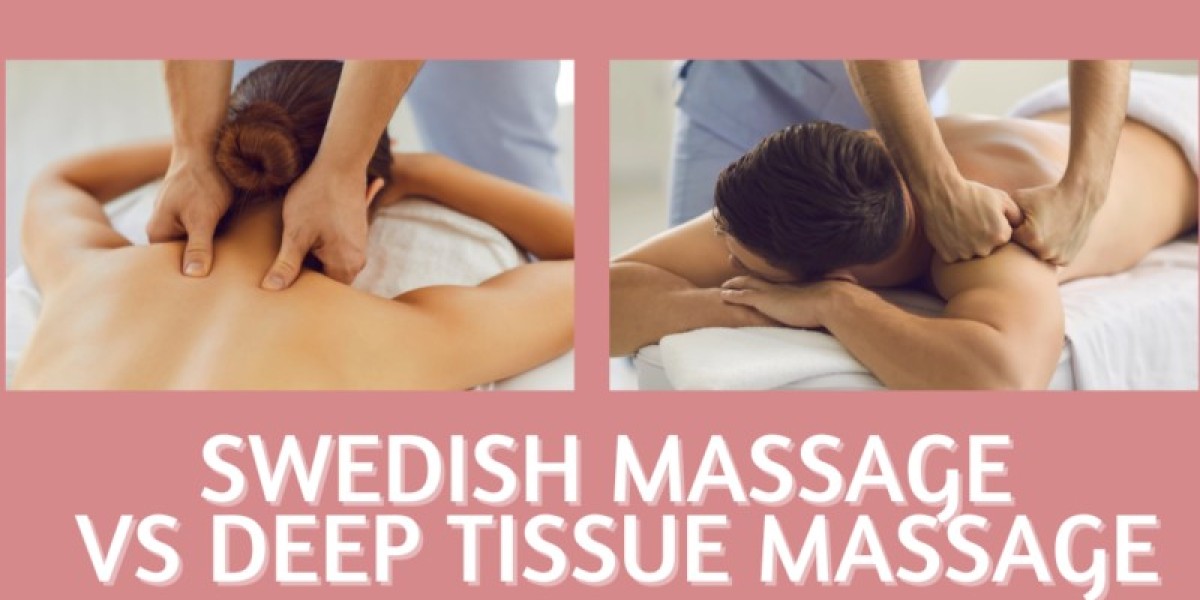
The main difference between deep tissue and Swedish massage comes down to technique, pressure, and the overall purpose of the session.
Swedish massage generally emphasizes relaxation through flowing strokes and rhythmic movements. Deep tissue massage, on the other hand, tends to use slower, more concentrated pressure on particular muscle areas.
Another important difference is the overall sensation. Swedish massage may feel lighter and more soothing, whereas deep tissue massage can feel more intense because the therapist works more specifically on areas of muscular tension.
However, there is no universal rule that one style is better than the other. The right choice depends on what someone expects from their massage session and how they respond to different pressure levels.
Swedish vs Deep Tissue Massage: Which One Should You Choose?
When comparing Swedish vs deep tissue massage, think about your main goal and preferred level of pressure.
If you want a calming experience with smooth movements and a generally gentle approach, Swedish massage may be a suitable option. If you prefer more concentrated work on specific areas and are comfortable with firmer pressure, deep tissue massage may be worth considering.
Some people may also prefer different massage styles at different times. Their choice can depend on their daily routine, personal comfort, and what they want from a particular appointment.
Comparing Pressure and Technique
Pressure is one of the easiest ways to understand the distinction between these two massage styles. Swedish massage commonly uses light-to-moderate pressure, although the intensity can be adjusted.
Deep tissue massage generally involves more focused pressure and slower movements. The therapist may use their hands, fingers, forearms, or other appropriate techniques to work on selected areas.
It is important to remember that deeper pressure does not automatically mean a better massage. Effective massage should be appropriate for the individual and performed by a qualified professional.
Why Communication Matters
Regardless of the massage style you choose, communication with your therapist is important. Everyone has different preferences regarding pressure, pace, and comfort.
Before the session begins, explain what type of experience you are looking for. During the massage, let the therapist know if the pressure feels uncomfortable or if you would prefer an adjustment.
Good communication allows the session to remain comfortable and helps the therapist understand your preferences more clearly.
Final Thoughts
Understanding the difference between deep tissue and Swedish massage makes it easier to compare these two popular massage styles. Swedish massage generally focuses on smooth, flowing movements and relaxation, while deep tissue massage uses a more targeted approach with firmer pressure.
When considering Swedish vs deep tissue massage, there is no single choice that works for everyone. Your preferred pressure, comfort level, and expectations can all influence which style feels right for you.
Whichever option you choose, selecting a qualified massage professional and communicating your preferences can help create a more comfortable and enjoyable experience.
For more information: Click here