Choosing an engagement ring is a personal decision that combines emotion, style, practicality, and budget. For many couples, the process begins with the diamond but quickly expands into questions about the setting, metal, proportions, comfort, and long-term wear. With more diamond options available today, buyers have greater flexibility to create a ring that feels genuinely suited to their relationship and lifestyle.
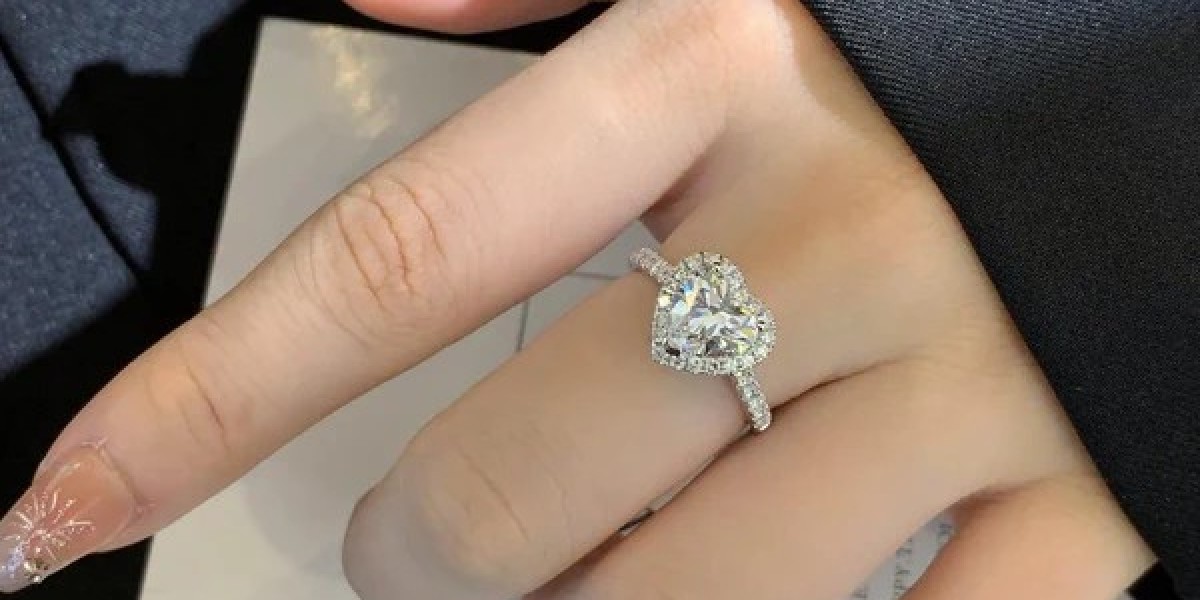
Pavé settings have become especially appealing for those who want additional sparkle without relying entirely on a large center stone. In this style, small diamonds are placed closely along the band, creating a continuous impression of brilliance. When combined with a lab-created diamond as the center stone, the result can offer a sophisticated interpretation of the traditional engagement ring.
Lab-created diamonds have also changed the conversation around diamond buying. They give consumers another option when considering diamond origin, budget, design possibilities, and personal preferences. Although the diamond is created in a controlled laboratory environment rather than formed naturally underground, it has the same fundamental crystal structure as a naturally occurring diamond.
For a buyer, however, choosing the right ring involves more than understanding the difference between diamond origins. The quality of the individual stone, the craftsmanship of the setting, the proportions of the design, and the wearer's lifestyle all deserve attention. From selecting the center stone to considering the pavé details and choosing the right metal, every element contributes to the final appearance and wearing experience.
Understanding the Pavé Setting Before You Buy
Pavé is a setting technique in which numerous small diamonds are arranged closely together along a jewelry surface. In an engagement ring, these stones are commonly placed across the band, where they create a bright, detailed appearance.
The term is associated with the visual effect created by the closely positioned stones. From a distance, the individual diamonds can appear almost like a continuous surface of sparkle. Up close, the craftsmanship becomes more noticeable because each stone must be positioned and secured carefully.
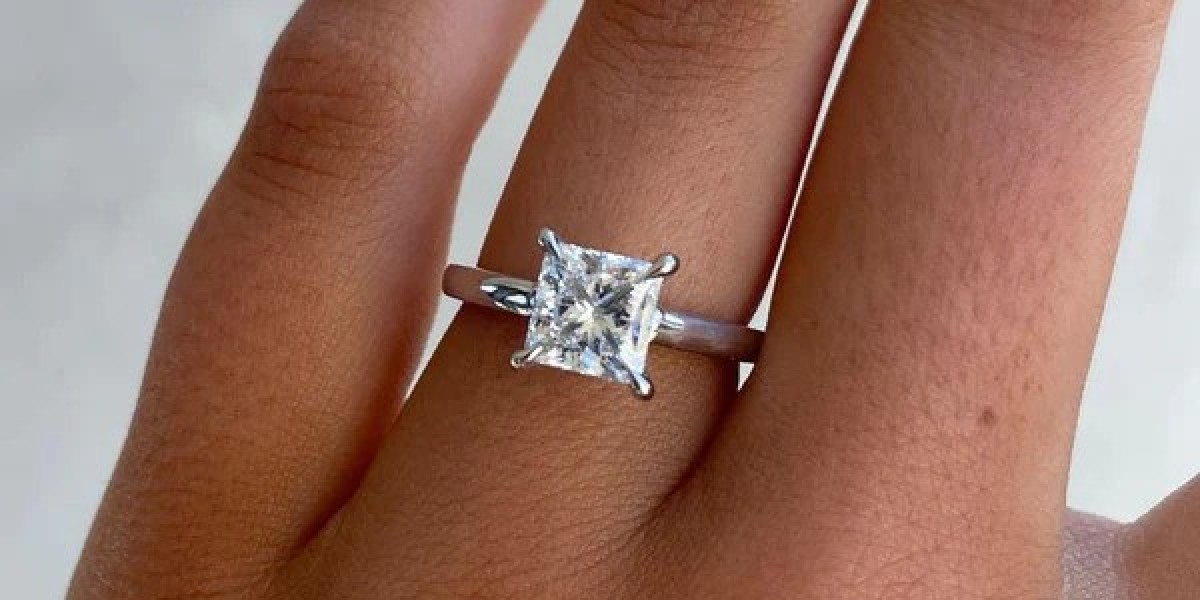
This makes pavé different from a traditional solitaire. A solitaire generally has a plain band that allows the center diamond to remain the primary focus. A pavé design distributes some of the visual attention across the band, adding another layer of brilliance.
There are several ways to approach pavé detailing. A delicate ring may feature very small diamonds across a narrow band, producing a refined and understated effect. A wider band with more substantial accent stones can create a stronger presence.
Evaluating your setting and center gem as a unified piece ensures a flawless final look. When you prepare to shop lab grown diamond pave ring options, balancing center stone geometry, band thickness, and side-stone brilliance together allows you to create a harmonious, masterfully proportioned design where every detail complements the next.
Choosing the Right Ring for Your Lifestyle and Budget
An engagement ring is often worn regularly, so practical considerations should be treated as seriously as appearance. Rather than focusing exclusively on the center diamond, consider the entire ring. The metal, pavé detailing, setting, craftsmanship, and future maintenance all contribute to the overall value of the piece.
Lab-created diamonds may provide additional flexibility within a particular budget, depending on the individual stone and market. That flexibility could allow a buyer to consider a different diamond shape, more detailed pavé work, or a particular metal preference.
Someone who works with their hands frequently may prefer a lower-profile setting that is less likely to catch on clothing or objects. People involved in sports, manual work, or activities where jewelry can be exposed to impact may also want a secure and practical design.
A person with a less physically demanding routine may have more flexibility when considering an elevated center stone or more elaborate setting. The height of the center diamond changes both appearance and practicality. A high setting can provide a dramatic profile and allow more light to reach the stone, but it may be more exposed during everyday activities.
A lower setting can offer a streamlined appearance and may be easier to wear throughout the day. Comfort should also be assessed. The inner surface of the band should feel smooth against the finger, while the outer edges should be carefully finished.
Craftsmanship, Maintenance, and Long-Term Value
Once the diamond and design have been selected, craftsmanship becomes one of the most important considerations. Pavé settings require precision because many small diamonds are positioned closely together. Consistent spacing, secure settings, and smooth finishing all contribute to the quality of the finished ring.
The accent diamonds should sit securely within their settings. The metal beads or prongs should be properly finished without making the band feel rough or uncomfortable. The center stone setting deserves equal attention. Prongs or other holding mechanisms should secure the diamond while maintaining the visual balance of the design.
A well-made engagement ring should feel comfortable as well as beautiful. Maintenance is an important part of long-term ownership. Everyday exposure to hand creams, cosmetics, dust, and natural skin oils can gradually reduce the visible brilliance of diamonds and metal. However, because pavé contains numerous small stones, professional inspection can also be useful from time to time.
An inspection may help identify a loose accent diamond, worn setting component, or other issue before it becomes more serious. Storage matters too. When the ring is not being worn, keeping it in a soft-lined jewelry box or separate compartment can reduce contact with other pieces. This can help minimize scratches and unnecessary wear.
It is also sensible to remove an engagement ring when participating in activities that could expose it to strong impact or harsh chemicals. While diamonds are highly durable, the metal setting is not indestructible. Long-term design should be considered at the time of purchase. Fashion trends can change quickly, but carefully balanced proportions and classic craftsmanship can help a ring remain attractive for many years.
A Modern Fine Jewelry Perspective From Antiquecut
Antiquecut represents a contemporary approach to fine jewelry where timeless design can be combined with modern preferences. For buyers considering a pavé lab-created diamond engagement ring, the most important consideration is how the center stone, accent diamonds, metal, proportions, and craftsmanship come together.
A beautiful ring does not necessarily need to be the largest or most elaborate option. A carefully selected center stone paired with a well-proportioned pavé band can create an elegant result without unnecessary decoration The best choice is one that feels personal, comfortable, and appropriate for everyday life.
Conclusion
Choosing a pavé lab-created diamond engagement ring involves several decisions, but understanding the fundamentals can make the process much easier. Buyers should consider the pavé setting, center diamond characteristics, metal, band width, setting height, comfort, lifestyle, budget, and future wedding-band compatibility.
Lab-created diamonds provide an additional option for couples who want to explore modern approaches to diamond selection. Their laboratory origin does not determine the quality of an individual stone, which is why factors such as cut, color, clarity, carat weight, proportions, and certification remain important.
The pavé setting adds another dimension by surrounding the center stone with closely set diamonds that create an impressive effect of continuous sparkle. Its flexibility allows buyers to choose anything from a delicate band to a more substantial design.
A successful purchase should balance beauty with practicality. Consider how the ring will look from different angles, how comfortable it feels, how it fits into the wearer's daily routine, and how it will pair with a future wedding band.